
Could fixing your sleep be the secret to a younger brain?
New MRI-based research links poor sleep to accelerated brain aging — and suggests sleep may be a modifiable key to preserving cognitive health
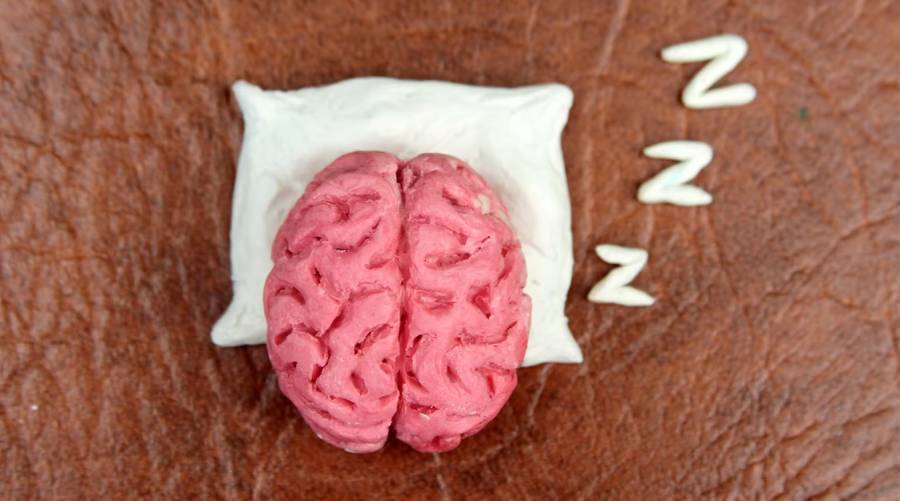
Sleep quality tied to brain age: can improving sleep slow brain aging?
What if getting better sleep could make your brain look and function younger? A groundbreaking study from Karolinska Institutet suggests there’s a real link between sleep quality and how “old” your brain appears — a gap that could stretch to nearly a year for those with poor sleep habits.
How the study measured “brain age”
To explore this connection, researchers tapped into data from over 27,500 adults in the UK Biobank, with an average age of 54.7 years and 54.0% female participants.
They gathered self-reported sleep data across five key factors:
- Chronotype (morning vs evening preference)
- Sleep duration
- Insomnia symptoms
- Snoring
- Daytime sleepiness
From this, the team computed a healthy sleep score (0 to 5) and classified participants into three sleep groups:
- Healthy (≥ 4 points)
- Intermediate (2–3 points)
- Poor (≤ 1 point)
They also measured systemic inflammation via blood biomarkers at baseline. PubMed+1
After a mean follow-up period of 8.9 years, participants underwent brain MRI scans. Using over 1,079 MRI phenotypes and machine learning models, the researchers estimated each person’s brain age and calculated the brain age gap (BAG = brain age minus chronological age).
What they found: poor sleep, older brains
- On average, individuals with poor sleep had a BAG about 1 year older than their actual age.
- For every 1-point drop in the healthy sleep score, the brain age gap increased by roughly 6 months.
- The association between poor sleep and older brain age was stronger in men than in women.
- Inflammation accounted for about 10% of the link between poor sleep and accelerated brain aging.
Why this matters
This research strengthens the idea that sleep is a modifiable factor in brain aging. If poor sleep can push your brain to age faster, then improving sleep might help slow that process.
Experts caution that while the study is observational (so causality isn’t proven), the results are compelling. Dr. Dasgupta, a sleep specialist, notes that even a “small” year of brain age difference could matter over decades, especially when combined with other risks like high blood pressure or metabolic disease.
Other possible mechanisms include:
- Sleep’s role in brain waste clearance systems (which work when we sleep)
- Cardiovascular effects of poor sleep that indirectly harm brain health
- Chronic inflammation damaging brain tissue over time
What you can do now
If this study has you rethinking your sleep habits, here are evidence-based strategies to protect your brain health:
- Maintain a consistent sleep schedule, even on weekends
- Create an ideal sleep environment: cool, dark, quiet
- Avoid caffeine or heavy meals close to bedtime
- Limit screen exposure and stimulating activities before sleep
- Add relaxation routines: light reading, meditation, gentle stretching
- If insomnia, snoring, or daytime fatigue persist, consult a sleep specialist
Small changes in sleep can have big implications. As researchers put it: sleep is modifiable — it might not just improve your mornings, but also help keep your brain biologically younger.
Stay informed and protect your health!
CLICK HERE TO JOIN Medical News Pakistan on WhatsApp for expert tips, health updates, and the latest medical research straight to your phone.

Advertisement
E-PAPER

Trending
Popular
Pakistan’s Dr. Misha Tanveer takes air pollution research to Europe ...
-
Calorie deficit for weight loss: How to ...
06:00 PM, 24 Aug, 2026 -
Vaccine maker warns of wider TBE, ...
05:00 PM, 21 Aug, 2026 -
FDA authorizes first robot to draw ...
06:11 PM, 20 Aug, 2026 -
One blood test for multiple cancers ...
04:52 PM, 11 Aug, 2026
Follow us on Facebook
Follow us on Twitter
Copyright ©2026 Medical News. All Rights Reserved.