
Regular and diet sodas linked to greater liver disease risk, research warns
A major study links both sugary and artificially sweetened drinks to higher risks of fatty liver disease and liver-related deaths.
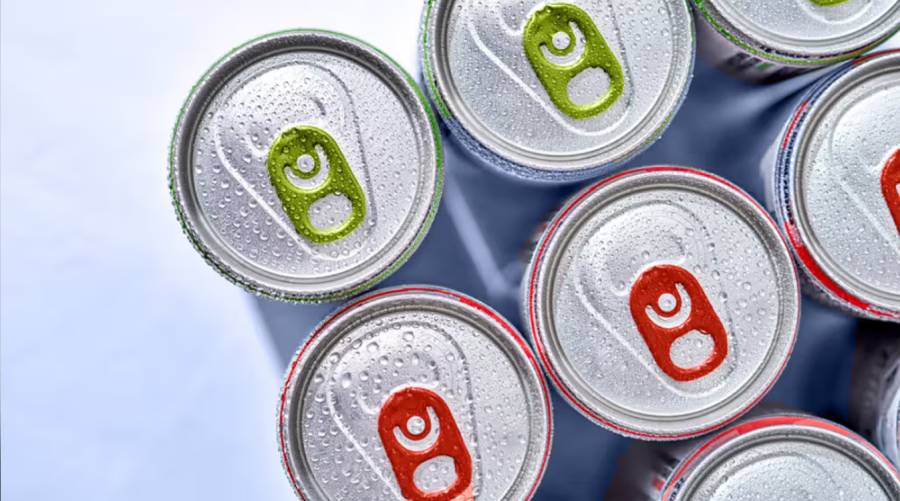
Regular and diet sodas linked to greater liver disease risk, research warns
Drinking soda — whether regular or diet — may be more harmful to your liver than you think, according to a new large-scale study that has raised serious public health concerns.
Researchers analyzing data from over 103,000 adults found that both sugar-sweetened and low or non-sugar-sweetened beverages were linked to a higher risk of metabolic dysfunction-associated steatotic liver disease (MASLD) — a condition involving excess fat buildup in the liver not caused by alcohol.
The findings were presented at UEG Week 2025, the annual congress of United European Gastroenterology, and though not yet peer-reviewed, they highlight a growing concern over the long-term impact of sweetened drinks on liver health.
Drinking one soda a day increases liver risk
The research team, using data from the UK Biobank, followed participants for more than 10 years. During this period, 949 people developed MASLD and 103 died of liver-related causes.
People who drank more than 330 grams (around one can) daily — of either sugary or “diet” soda — had a significantly higher risk of developing liver disease.
- Sugar-sweetened drinks were linked to a 50% higher risk of MASLD.
- Low or non-sugar-sweetened drinks were linked to a 60% higher risk.
Even more concerning, frequent consumption of low or non-sugar-sweetened drinks was associated with a greater risk of liver-related death, and the risk increased with higher intake.
“Our findings show that both sugary and artificially sweetened drinks may carry risks for liver health,” said Lihe Liu, lead researcher from the First Affiliated Hospital of Soochow University. “People should be aware that diet sodas are not necessarily safe alternatives.”
Switching soda for water lowers risk
The study also explored what would happen if people replaced soda with water. Researchers found that swapping just one can (330 g) of soda per day — whether regular or diet — with water could significantly lower the risk of developing MASLD.
Replacing sugar-sweetened beverages showed the greatest benefit, cutting liver disease risk by nearly 15%.
However, switching from one type of soda to another — for example, from regular to diet — did not reduce the risk, suggesting that water remains the best alternative for liver health.
Why the findings matter
MASLD, formerly known as nonalcoholic fatty liver disease (NAFLD), is now the most common chronic liver condition worldwide. It can progress to cirrhosis, liver cancer, and increase the risk of heart disease.
Registered dietitian Karen Z. Berg, MS, RD, CSO, CDN — who was not involved in the study — told Medical News Today that many people assume “zero-calorie” drinks are healthier, but “this study demonstrates how both are positively associated with liver disease.”
She advised that the best options remain plain water, fruit-infused water, unsweetened tea, or carbonated water without additives.
What experts say next
Although the study hasn’t yet undergone peer review, experts believe the results are credible and align with growing research showing how artificial sweeteners may disrupt metabolism and gut health, potentially influencing liver function.
Lead author Liu noted that the next step is to publish the findings in a peer-reviewed journal and explore the biological mechanisms linking sweeteners to liver disease. Future studies will also need to assess these effects across more diverse populations.
Public health takeaway
This study reinforces a simple message: soda — whether regular or diet — is not good for your liver. Even moderate daily consumption may quietly damage liver cells over time.
The safest choice, experts say, is to limit or completely replace sodas with water to protect your liver and overall metabolic health.
“Plain water is still the healthiest, safest, and most liver-friendly drink,” Liu emphasized.
Stay informed and protect your health!
CLICK HERE TO JOIN Medical News Pakistan on WhatsApp for expert tips, health updates, and the latest medical research straight to your phone.

Advertisement
E-PAPER
Trending
Popular
Pakistan’s Dr. Misha Tanveer takes air pollution research to Europe ...
-
Calorie deficit for weight loss: How to ...
06:00 PM, 24 Aug, 2026 -
Vaccine maker warns of wider TBE, ...
05:00 PM, 21 Aug, 2026 -
FDA authorizes first robot to draw ...
06:11 PM, 20 Aug, 2026 -
One blood test for multiple cancers ...
04:52 PM, 11 Aug, 2026
Follow us on Facebook
Follow us on Twitter
Copyright ©2026 Medical News. All Rights Reserved.