
Which moisturiser really works best for scars? New study reveals surprising winner
University of Adelaide researchers discover that a low-cost moisturiser outperforms high-end brands in scar healing and skin hydration.
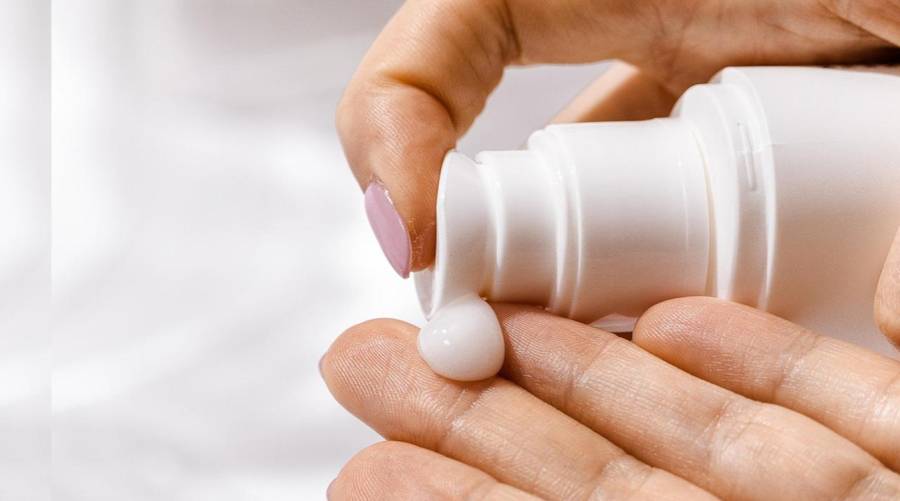
Which moisturiser really works best for scars? Experts reveal evidence-based results
Are expensive creams really the best choice for scar treatment? A new study from the University of Adelaide and the Royal Adelaide Hospital has challenged that common belief — revealing that one of the most affordable moisturisers on the market may actually deliver superior results in healing and hydration compared to costly, well-known brands.
The study, led by PhD candidate and occupational therapist Tanja Klotz, tested how different moisturisers impact hydration and TransEpidermal Water Loss (TEWL) — key factors that determine how well damaged skin heals. The findings were recently published in the journal Burns.
Why moisturisers matter for scar recovery
When skin is injured — through surgery, burns, or trauma — it loses its natural protective barrier. This leads to dryness, itching, and irritation that can delay recovery and worsen the appearance of scars. Moisturising helps restore hydration and reduce water loss, but until now, there’s been little evidence on which products work best.
“While there are clinical guidelines for scar massage and compression, there’s a lack of data to guide the choice of moisturiser,” explained Miss Klotz. “We wanted to test products objectively to give patients and clinicians evidence-based recommendations.”
Eight popular moisturisers put to the test
The research team evaluated eight widely used moisturisers, simulating scarred skin conditions to measure each product’s effect on hydration and TEWL. The results showed dramatic differences in performance.
The standout performer was Eucerin Advanced Repair Cream, a mid-priced, oil-in-water formulation available internationally. It achieved the highest hydration levels and the lowest TEWL, outperforming luxury scar-care products.
“Eucerin’s formulation — enriched with glycerine and urea — helps the skin retain moisture effectively,” Klotz said. “Our results highlight that the formulation matters far more than the brand name or price tag.”
High-end brands fall behind
Surprisingly, some of the most expensive and widely marketed products — including Alhydran, Strataderm, and BioOil — were among the lowest scorers in both hydration and water-retention tests. Despite their popularity, these products provided limited benefits in restoring the skin barrier.
“Higher cost doesn’t necessarily mean better performance,” Miss Klotz emphasized. “It’s a reminder that patients don’t have to spend excessively to achieve effective scar care.”
Silicone gels not as effective as expected
Silicone-based treatments, long considered the gold standard for scar therapy, also showed mixed results. Silicone gel sheets provided temporary hydration but were followed by high water loss once removed. Liquid silicone gels performed even worse, offering minimal improvement in moisture retention.
“These findings suggest that silicone alone may not be sufficient,” said Klotz. “Patients benefit more from products that actively increase hydration and lock it in.”
Practical takeaways for patients and clinicians
The study offers valuable, evidence-based insights for both healthcare providers and consumers. For those managing surgical, burn, or traumatic scars, the message is clear: effective moisturisation depends on formulation, not price.
Clinicians can now recommend affordable, scientifically validated options like Eucerin Advanced Repair Cream as part of scar-management protocols. The findings also underscore the importance of ongoing research to guide real-world medical care.
This research reflects the University of Adelaide’s growing focus on applied clinical innovation. The institution — soon merging with the University of South Australia in January 2026 — continues to contribute globally impactful health research.
Stay informed and protect your health!
CLICK HERE TO JOIN Medical News Pakistan on WhatsApp for expert tips, health updates, and the latest medical research straight to your phone.

Advertisement
E-PAPER

Trending
Popular
Pakistan’s Dr. Misha Tanveer takes air pollution research to Europe ...
-
Calorie deficit for weight loss: How to ...
06:00 PM, 24 Aug, 2026 -
Vaccine maker warns of wider TBE, ...
05:00 PM, 21 Aug, 2026 -
FDA authorizes first robot to draw ...
06:11 PM, 20 Aug, 2026 -
One blood test for multiple cancers ...
04:52 PM, 11 Aug, 2026
Follow us on Facebook
Follow us on Twitter
Copyright ©2026 Medical News. All Rights Reserved.

