
How long do ingredients last and how to store them safely
Proper food storage is essential for preventing foodborne illness, preserving quality, and keeping ingredients safe for longer.
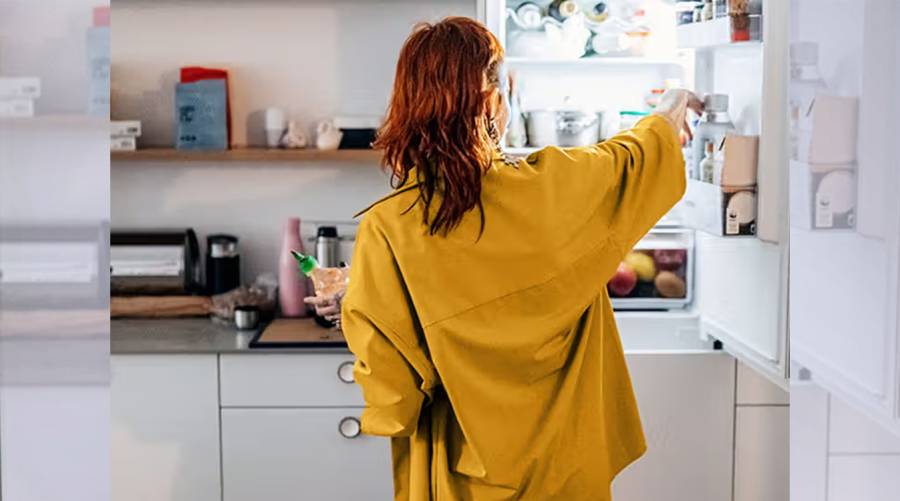
How long do ingredients last and how to store them safely
Proper food storage is essential for food safety, preventing spoilage, and protecting people from foodborne illnesses. Whether you meal prep often, buy groceries in bulk, or want to understand how long common ingredients last, following evidence-based food storage guidelines is crucial for keeping your household safe.
Below is a clear, expert-backed guide on how long ingredients last, when to refrigerate or freeze them, and how to store foods properly.
Refrigeration: keeping perishable foods safe
Your refrigerator should always be set at 40°F (4°C) or lower to prevent rapid bacterial growth. Most modern refrigerators display temperature settings, but if yours does not, using an appliance thermometer is recommended.
Foods stored above 40°F for more than 2 hours should be discarded for safety reasons.
To optimize storage:
• Use crisper drawers for fruits and vegetables.
• Use dedicated meat or deli drawers for meat and cheese.
• Avoid storing perishable foods in the door, as temperatures fluctuate more in that area.
• Use door shelves for sauces, beverages, jams, jellies, and opened pickle jars.
Refrigeration time for common items
- Ground meat (beef, turkey, etc.): 1 to 2 days
- Poultry: 1 to 2 days
- Fresh fish and shellfish: 1 to 2 days
- Cooked meat, poultry, and fish leftovers: 3 to 4 days
- Bacon; sausage links or patties: 7 days
- Luncheon meat: Unopened: 2 weeks | Opened: 3 to 5 days
- Liquid pasteurized eggs and egg substitutes: Unopened: 10 days | Opened: 3 days
- Whole eggs: 3 to 5 weeks
Freezing: extending food quality, shelf life
Food stored at 0°F (-18°C) remains safe for consumption indefinitely. However, quality can deteriorate over time due to freezer burn, which appears as grayish-brown, leathery patches. While freezer burn does not make food unsafe, affected portions can be trimmed away.
Important safety rules:
- Do not refreeze foods left outside the refrigerator for more than 2 hours, or 1 hour if the temperature is above 90°F.
- Foods thawed in the refrigerator can be refrozen but should ideally be consumed within 1 to 2 days.
- Avoid freezing foods that do not freeze well, such as whole eggs in shells, cream sauces, and lettuce.
Freezing time for common items (for best quality)
- Bacon and sausage: 1 to 2 months
- Casseroles: 2 to 3 months
- Frozen entrées: 3 to 4 months
- Uncooked ground meat: 3 to 4 months
- Uncooked poultry parts: 9 months
Shelf-stable goods: what lasts safely at room temperature
Shelf-stable foods can be safely stored in a cabinet or pantry at room temperature. These include rice, pasta, flour, sugar, oils, dried spices, and commercially packaged jerky.
Canned foods are typically shelf-stable unless the label states “keep refrigerated.”
Avoid using cans that are swollen, heavily dented, or rusted.
Once opened, canned foods should be refrigerated. While they can be stored in the can, transferring them to a clean container helps maintain quality.
Shelf life, refrigeration for common items
- Canned ham: Shelf: 2 to 5 years | Fridge (after opening): 3 to 4 days
- Low-acid canned goods: Shelf: 2 to 5 years | Fridge: 3 to 4 days
- High-acid canned goods: Shelf: 12 to 18 months | Fridge: 5 to 7 days
- Commercially packaged jerky: Shelf: 12 months
- Rice and dried pasta: Shelf: 2 years | Fridge after cooking: 3 to 4 days
Examples of low-acid canned foods:
Canned meat, poultry, stews (except tomato), soups, potatoes, corn, carrots, spinach, beans, beets, peas, pumpkin
Examples of high-acid canned foods:
Tomato products, citrus juices, apples, pineapples, berries, peaches, pears, plums, pickles, sauerkraut
Leftovers and reheating: safety first
Leftovers must be stored in shallow containers and refrigerated or frozen immediately to ensure rapid cooling.
Food left out for more than 2 hours (or more than 1 hour above 90°F) should be discarded.
Use most leftovers within 3 to 4 days, and always reheat them to 165°F to ensure safety.
Takeaway
Correct food storage is essential for keeping ingredients safe and maintaining quality. Following proper refrigeration, freezing, and shelf-storage guidelines can prevent foodborne illnesses and help households avoid unnecessary waste.
Storing foods safely protects not just taste and freshness — it protects your health.
Stay informed and protect your health!
CLICK HERE TO JOIN Medical News Pakistan on WhatsApp for expert tips, health updates, and the latest medical research straight to your phone.
Advertisement
E-PAPER
Trending
Popular
Pakistan’s Dr. Misha Tanveer takes air pollution research to Europe ...
-
Calorie deficit for weight loss: How to ...
06:00 PM, 24 Aug, 2026 -
Vaccine maker warns of wider TBE, ...
05:00 PM, 21 Aug, 2026 -
FDA authorizes first robot to draw ...
06:11 PM, 20 Aug, 2026 -
One blood test for multiple cancers ...
04:52 PM, 11 Aug, 2026
Follow us on Facebook
Follow us on Twitter
Copyright ©2026 Medical News. All Rights Reserved.