
Sugary drinks may fuel hair loss, but these nutrients can protect your strands
A new review links sugary and alcoholic drinks to higher hair loss risk, while nutrients like vitamin D, iron, and protein support stronger, healthier hair.
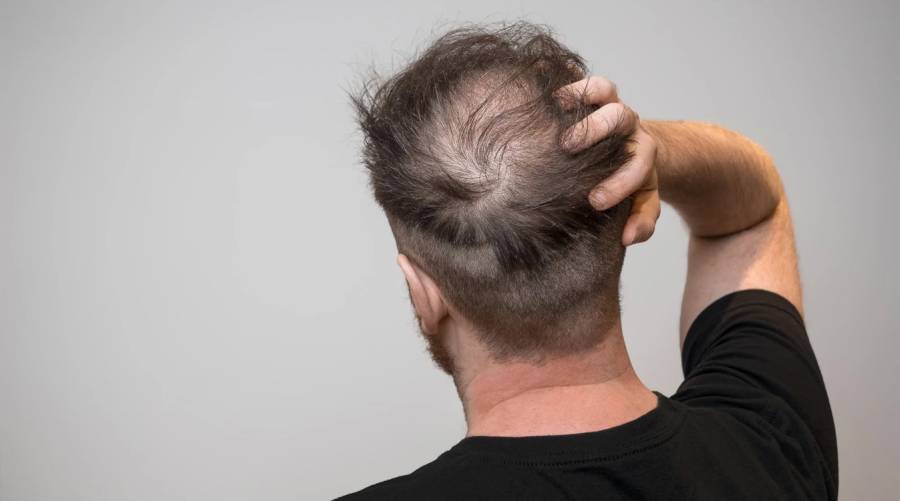
Sugary drinks increase hair loss risk, but nutrients like vitamin D and iron can help
For millions worried about thinning hair, the answer may not lie in expensive shampoos or salon treatments, but in what’s on their plate. A new research review published in Nutrition and Health suggests that sugary drinks and alcohol are linked to higher risks of hair loss, while certain nutrients — including vitamin D, iron, and protein — can help strengthen and protect hair.
Diet and hair health: What the review found
Researchers followed PRISMA guidelines, considered the gold standard for systematic reviews, and analyzed studies published between March and June 2024. After reviewing more than 1,200 studies across PubMed, Web of Science, and Scopus, they narrowed it down to 17 high-quality studies involving over 61,000 participants aged 7 to 77.
You may like to read: Hair loss: Discovery uncovers key stem cells that could reverse baldness
The findings were clear:
- Sugary and alcoholic drinks were associated with increased hair loss and premature greying.
- Vitamin D, iron, and protein were consistently linked to improved hair health.
- Soy and cruciferous vegetables were connected to reduced hair loss due to their antioxidant and anti-inflammatory properties.
Most studies focused on alopecia, one of the most common hair conditions, and used objective tools such as Severity of Alopecia Score (SALT) and phototrichograms to measure hair outcomes.
Key nutrients for stronger hair
Among the nutrients studied, vitamin D emerged as the most important. Five studies showed that higher vitamin D levels were linked to reduced severity of alopecia areata (AA) and androgenetic alopecia (AGA).
Iron also showed strong benefits. Women with alopecia who took 100 mg of iron supplements experienced better hair growth, underlining iron’s role in hair follicle metabolism.
Protein deficiency, on the other hand, was linked to weaker, thinner, and poorly pigmented hair. Adequate protein intake is critical because keratin, the main structural component of hair, relies on protein availability.
People also read: Can an antioxidant in vegetables prevent gray hair? New research suggests it might
Foods, supplements that support hair health
The review also examined dietary supplements. Promising options included:
- INVERSION Femme (with green tea, grape extract, beta-carotene, zinc, selenium, and vitamins).
- Marine protein supplements, which supported hair regrowth.
- Hydrolyzed eggshell membrane and persimmon leaf extract, both shown to improve hair density and thickness.
Dermatologists note that while most people can meet their nutritional needs through food, supplements may be necessary for those with deficiencies or dietary restrictions.
Expert insights: Why nutrition matters for hair
Dr. Marie Jhin, board-certified dermatologist and chief medical officer at Musely, emphasized that hair follicles are metabolically active and depend on a steady nutrient supply.
She recommends diets rich in lean protein, fruits, vegetables, whole grains, iron, zinc, vitamin D, biotin, and omega-3 fatty acids. “Even mild deficiencies in these nutrients can affect hair growth and quality,” she explained.
Meanwhile, Dr. Susan Massick of The Ohio State University Wexner Medical Center stressed that lifestyle factors such as reducing stress, avoiding smoking, and getting sufficient sleep also play key roles. She urged people experiencing hair loss to seek treatment early rather than waiting for noticeable thinning.
Effective treatments may include medications such as minoxidil, finasteride, dutasteride, and spironolactone, as well as procedures like platelet-rich plasma (PRP) therapy, low-level laser therapy, and hair transplants in severe cases.
Takeaway
The review highlights a crucial truth: while sugary and alcoholic drinks can worsen hair loss, the right nutrition — particularly vitamin D, iron, and protein — can make a measurable difference. A balanced diet, smart supplementation when needed, and early medical intervention remain the best strategies for maintaining strong, healthy hair.
Stay updated with Medical News Pakistan
CLICK HERE TO JOIN Medical News WhatsApp community to get the latest updates on global health guidelines, medical research, and expert insights directly on your phone.
Advertisement
E-PAPER
Trending
Popular
Pakistan pharma sector profits rise 11% in 1QFY27 as margins reach ...
-
Tea for a healthier heart? Read this ...
05:52 PM, 2 Nov, 2026 -
37 AKU researchers join world's top 2% ...
06:47 PM, 16 Oct, 2026 -
Could a heart calcium scan reveal your ...
01:36 PM, 13 Oct, 2026 -
One blood test, 50+ cancers: What the ...
05:27 PM, 12 Oct, 2026
Follow us on Facebook
Follow us on Twitter
Copyright ©2026 Medical News. All Rights Reserved.