Historic surgery saves four-year-old child from life-threatening Arrhythmia
Doctors at Aga Khan University Hospital perform groundbreaking surgery to treat life threatening Arrhythmia in young patient
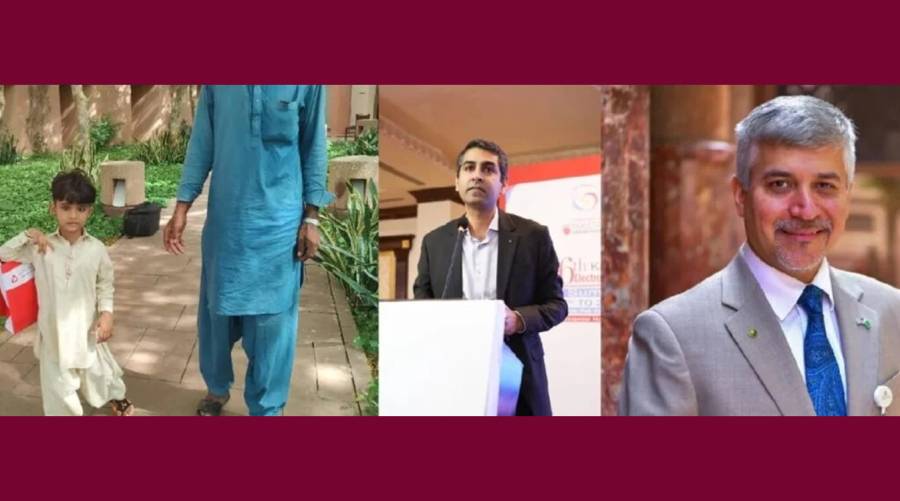
Groundbreaking surgery at Aga Khan University Hospital saves life of four-year-old with Arrhythmia
KARACHI: In a historic medical breakthrough, doctors at Aga Khan University Hospital in Karachi, in collaboration with Dr. Muhammad Mohsin, a cardiac rhythm specialist from the National Institute of Cardiovascular Diseases (NICVD), successfully treated a four-year-old child suffering from life-threatening arrhythmia. This is the first time such a procedure has been performed in Pakistan.
The procedure, which involved cutting the “sympathetic nerves” that were causing the child’s heart rate to accelerate uncontrollably, has proven to be a life-saving success. Following the surgery, the child’s heart rhythm normalized, and he has been living a healthy life for the past three months.
Dr. Mohsin, an expert in electrophysiology, explained that the rare condition is often inherited. Despite the heart appearing structurally normal, the child experienced sudden episodes of dangerously fast and irregular heartbeats, which could have been fatal without immediate intervention.
The young patient, Ayan, had been receiving treatment for over two years. Despite initial therapies and an implanted device to control his heart rate, he suffered a cardiac arrest. Fortunately, his mother, trained in CPR by Dr. Mohsin, was able to resuscitate him—a heroic act that saved his life.
Due to recurring life-threatening episodes, doctors determined that surgery was the only option. The sympathetic nerves, linked to the spinal cord, were severed during the procedure, stopping the abnormal surges in his heart rate. This method, first attempted in the U.S. in 1970, has since evolved into a minimally invasive laparoscopic procedure that is performed at only a few specialized centers worldwide.
Prof. Dr. Saleem Islam, Head of Surgery at Aga Khan Hospital, shared that this rare congenital disorder is detectable through an ECG when a specific interval is prolonged, which can lead to fatal conditions like ventricular fibrillation. He emphasized that Aga Khan Hospital has now joined a select group of centers globally that can perform this complex procedure.
The boy’s father, Sajid Hussain, a daily wage worker from Multan, expressed relief and gratitude after his son was saved. “This time, my son Ayan was saved,” he said. “We pray for the doctors who saved our only surviving child.” He also revealed that he had already lost four children to the same condition. Despite the procedure’s estimated cost of Rs. 4 million, the hospital provided the treatment free of charge, showcasing their dedication to helping those in need.
Dr. Mohsin also warned that cousin marriages in Pakistan could contribute to a higher prevalence of such genetic disorders, though national data is not available. This breakthrough surgery is expected to benefit many similar patients in Pakistan, offering hope to families affected by this rare and often fatal condition.
Stay updated with Medical News Pakistan
CLICK HERE TO JOIN Medical News WhatsApp community to get the latest updates on global health guidelines, medical research, and expert insights directly on your phone.

Advertisement
E-PAPER
Trending
Popular
Pakistan’s Dr. Misha Tanveer takes air pollution research to Europe ...
-
Calorie deficit for weight loss: How to ...
06:00 PM, 24 Aug, 2026 -
Vaccine maker warns of wider TBE, ...
05:00 PM, 21 Aug, 2026 -
FDA authorizes first robot to draw ...
06:11 PM, 20 Aug, 2026 -
One blood test for multiple cancers ...
04:52 PM, 11 Aug, 2026
Follow us on Facebook
Follow us on Twitter
Copyright ©2026 Medical News. All Rights Reserved.