
Cheap kitchen spices may help prevent dementia, experts say
Everyday spices like cumin, saffron and cardamom show promise in protecting brain and heart health.
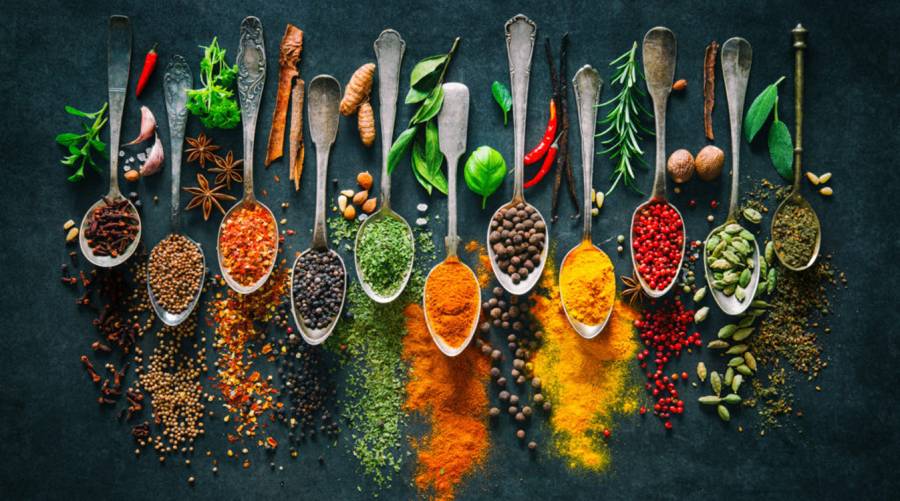
Cheap kitchen spices can prevent dementia, according to experts
Researchers are increasingly turning to the spice rack for clues in the fight against dementia. According to a new study, common and inexpensive kitchen spices may play a key role in protecting brain health and lowering the risk of diseases such as Alzheimer’s disease and cardiovascular disorders.
The main keyword “kitchen spices dementia prevention” appears in this opening paragraph and sets the stage for the story.
How spices may work
The investigation focused on compounds found in ten widely used spices, including saffron, cumin, cardamom, sumac, ajwain, amla, assafoetida, brahmi and myrrh. The research team used computer simulations to identify three specific compounds—kaempferol, apigenin and myristic acid—that may bind to proteins associated with the key genes AKT1, SRC and TP53, which help regulate inflammation and cell survival.
By targeting malfunctioning proteins tied to dementia and heart disease, these compounds may help protect brain connections, reduce oxidative stress and support healthy blood-vessel function. This aligns with the growing understanding that brain and heart health are deeply interconnected.
Everyday foods, big potential
Among the standout spices:
- Saffron and sumac are rich in antioxidants, which combat cell damage.
- Ajwain, cumin and caraway may aid digestion and reduce vascular risk factors such as cholesterol and blood-lipid levels.
- Cardamom has been shown in human studies to reduce blood pressure and boost antioxidant status—factors that support both heart and brain health.
- Brahmi (used in Ayurvedic practice) has evidence suggesting benefits for memory, attention and nerve-cell protection.
While the data are compelling, researchers caution that much of the work remains preclinical or involves high-dose extracts rather than ordinary cooking amounts.
What to keep in mind
Although the spice compounds show promise, this research does not yet establish a guaranteed preventive cure for dementia. Experts emphasise that spices should form part of a holistic brain-healthy lifestyle that also includes physical activity, good nutrition, cardiovascular health and avoiding tobacco.
The authors note the lack of a standardized human-dose protocol, and the need for further large-scale clinical trials before formal recommendations can be made.
The takeaway
In essence: your kitchen may already contain simple, affordable ingredients that contribute to brain resilience. While spices such as cumin, saffron, cardamom, sumac and brahmi are not miracle cures, their bioactive compounds offer a promising, natural adjunct to traditional strategies for preventing dementia and heart disease.
Stay informed and protect your health!
CLICK HERE TO JOIN Medical News Pakistan on WhatsApp for expert tips, health updates, and the latest medical research straight to your phone.

Advertisement
E-PAPER
Trending
Popular
Pakistan’s Dr. Misha Tanveer takes air pollution research to Europe ...
-
Calorie deficit for weight loss: How to ...
06:00 PM, 24 Aug, 2026 -
Vaccine maker warns of wider TBE, ...
05:00 PM, 21 Aug, 2026 -
FDA authorizes first robot to draw ...
06:11 PM, 20 Aug, 2026 -
One blood test for multiple cancers ...
04:52 PM, 11 Aug, 2026
Follow us on Facebook
Follow us on Twitter
Copyright ©2026 Medical News. All Rights Reserved.