
Pharma industry urges swift API policy reforms, tax relief to boost exports
PPMA calls on health ministry to support local API production, reduce import duties, and expedite regulatory approvals for pharma sector growth
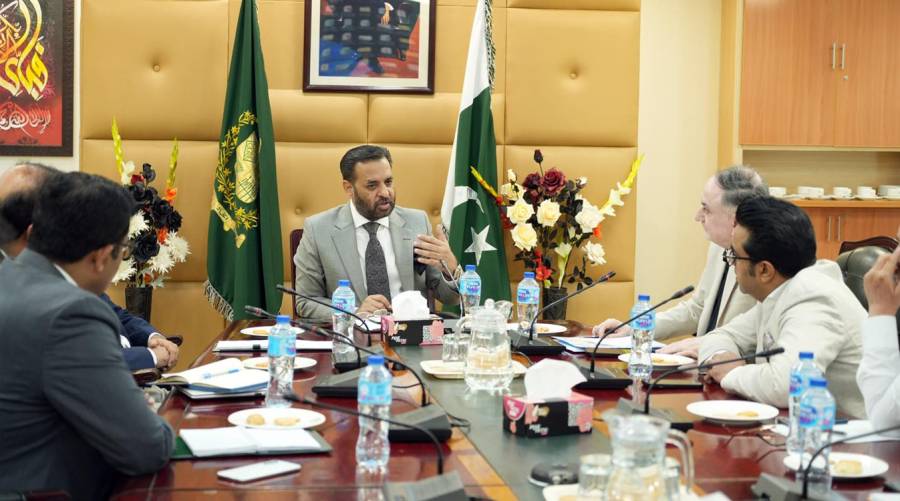
Pharma industry urges health ministry to support local API production, reform tax structure
ISLAMABAD: In a decisive push for policy reforms, Pakistan’s pharmaceutical industry has urged the federal health ministry to facilitate local production of active pharmaceutical ingredients (APIs), rationalise import taxes on raw materials, and expedite regulatory changes needed to increase pharmaceutical exports and reduce dependence on imports.
In a high-level meeting with Federal Health Minister Dr Mustafa Kamal, a delegation from the Pakistan Pharmaceutical Manufacturers Association (PPMA), led by Chairman Tauqeer-ul-Haq, raised critical issues concerning infrastructure, international accreditation, and the regulatory framework.
The PPMA delegation stressed the urgent need to reduce import duties on APIs and essential capital inputs, including pre-fabricated structures required to meet international compliance and quality standards.
“If provided with timely and targeted support, the domestic pharmaceutical sector can significantly enhance its export capacity while cutting reliance on imported materials,” said Tauqeer-ul-Haq.
The delegation highlighted that one of the key amendments in the Drug Law Project—finalised after detailed consultation with the Ministry of National Health Services, Drug Regulatory Authority of Pakistan (DRAP), Special Investment Facilitation Council (SIFC), and the Ministry of Law—now awaits final approval from the DRAP Policy Board.
PPMA officials urged that this approval is pivotal for streamlining industry operations and attracting foreign direct investment in Pakistan’s growing pharmaceutical sector.
In response, Health Minister Mustafa Kamal assured the industry that the proposed amendment would be approved shortly after the appointment of the new federal health secretary. He reiterated the government’s strategic commitment to enhancing pharmaceutical self-sufficiency through support for API manufacturing and policy facilitation.
“We are prioritising pharmaceutical self-reliance and strengthening local API production to stabilise medicine prices and reduce import dependency,” he said.
One of the key agenda items was the proposed naphtha cracker project, a critical infrastructure initiative to produce raw materials domestically. The health minister instructed DRAP to submit a detailed report on the viability and implementation of the project.
“Such upstream infrastructure will ensure long-term sustainability in pharmaceutical manufacturing and play a major role in price stability,” Kamal added.
The health minister welcomed developments in regional pharmaceutical diplomacy, particularly with Afghanistan, and stressed the need to leverage these partnerships for shared growth in API and drug manufacturing.
Reaffirming the government's zero-tolerance stance on counterfeit medicines, Dr Kamal announced a digital barcoding system to track each pack of medicine—allowing patients and pharmacists to verify authenticity and retail price.
With the right mix of fiscal incentives, regulatory clarity, and infrastructure investment, the Pakistani pharmaceutical industry stands poised for robust export-led growth. The PPMA’s dialogue with the federal ministry signals a positive step toward building a globally competitive and self-reliant pharma sector.
CLICK HERE TO FOLLOW Medical News Pakistan WhatsApp Channel for trusted industry updates, insights, and innovations.

Advertisement
E-PAPER

Trending
Popular
Pakistan’s Dr. Misha Tanveer takes air pollution research to Europe ...
-
Calorie deficit for weight loss: How to ...
06:00 PM, 24 Aug, 2026 -
Vaccine maker warns of wider TBE, ...
05:00 PM, 21 Aug, 2026 -
FDA authorizes first robot to draw ...
06:11 PM, 20 Aug, 2026 -
One blood test for multiple cancers ...
04:52 PM, 11 Aug, 2026
Follow us on Facebook
Follow us on Twitter
Copyright ©2026 Medical News. All Rights Reserved.

