
Mpox resurfaces in Sindh: 3 confirmed cases reported as tally reaches 40
Father and daughter among latest patients as health officials report three PCR-confirmed infections and one suspected case; here are the symptoms, transmission risks, incubation period and warning signs people should know.
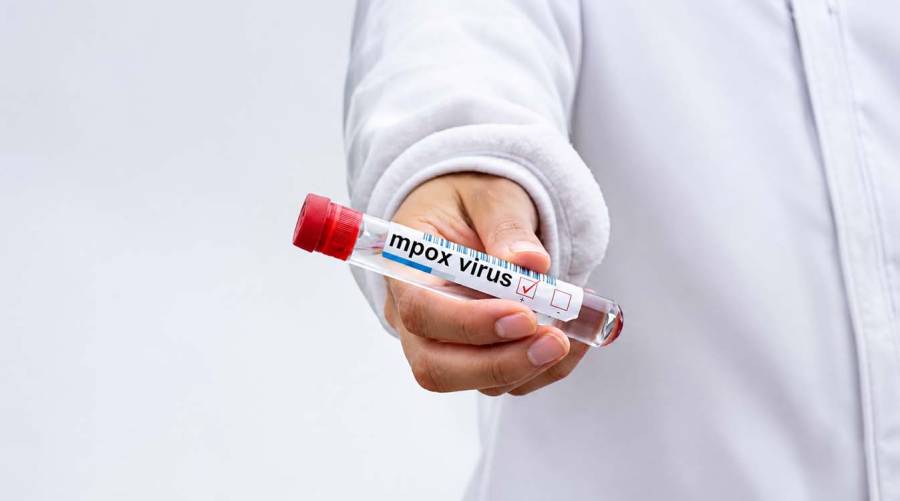
KARACHI: Mpox has resurfaced in Sindh with three newly confirmed cases, including a father and his daughter, taking the province’s reported confirmed tally to 40 cases, according to hospital sources at the Sindh Infectious Diseases Hospital.
The latest cases include a father and his daughter, and a 46-year-old man from Federal B Area in Karachi. Polymerase chain reaction (PCR) testing confirmed mpox in all three patients, while laboratory results for one additional suspected case are still awaited.
The latest development has renewed attention on a viral infection that can initially resemble other illnesses but may later produce a distinctive rash and painful or itchy lesions.
What is mpox?
Mpox is a viral disease caused by the mpox virus, which belongs to the same virus family as the virus that causes smallpox. Although the diseases are different, their shared viral family explains some similarities in their clinical features.
Mpox can cause a range of symptoms, from relatively mild illness to more serious disease requiring medical care. The most recognisable feature is often a rash that develops into lesions, but not every patient necessarily experiences symptoms in exactly the same sequence.
According to the World Health Organization (WHO), symptoms commonly include fever, headache, muscle aches, back pain, low energy, swollen lymph nodes and a rash resembling pimples or blisters.
Rash may be the warning sign people notice
Mpox lesions can appear on different parts of the body, including the face, hands, feet, mouth, throat, genital area and around the anus. They may be painful or itchy and can take several weeks to heal.
This is one reason people should not dismiss an unexplained rash, particularly when it occurs alongside fever, swollen lymph nodes, headache, body aches or unusual fatigue.
Importantly, symptoms do not necessarily follow an identical pattern in every patient. Some people may develop a rash without prominent flu-like symptoms beforehand, meaning the absence of an obvious fever or general illness does not by itself rule out mpox.
How does mpox spread?
Mpox primarily spreads through close physical contact with an infected person. Direct contact with infectious lesions or other material from the rash is an important route of transmission. The virus can also spread through contact with contaminated materials such as clothing, towels and bedding.
Animal-to-human transmission can also occur in some settings, particularly in parts of Africa, where mpox continues to circulate.
The key message is that mpox is not simply a disease associated with one particular type of contact or one particular group of people. Anyone who has sufficiently close contact with an infected person can potentially be exposed.
Mpox symptoms can take up to 21 days to appear
One of the reasons exposure can be difficult to recognise is the gap between infection and the appearance of symptoms.
WHO says mpox symptoms usually develop within about a week but can take up to 21 days after exposure to appear.
That means a person who has been exposed may initially feel completely well and only develop symptoms later.
Once symptoms begin, the illness and rash can persist for weeks. WHO notes that the rash may last around two to four weeks.
What should people do if they develop symptoms?
Anyone who develops an unexplained rash or lesions, particularly when accompanied by fever, headache, body aches, fatigue or swollen lymph nodes, should seek medical advice and inform healthcare professionals about possible exposure.
People with suspected or confirmed mpox should avoid close physical contact with others and follow medical advice regarding isolation and care. Avoiding contact with the rash and not sharing clothing, towels, bedding or other personal items can help reduce the risk of transmission.
Good hand hygiene is also important, particularly after touching potentially contaminated materials.
Why the latest Sindh cases matter
The three newly confirmed infections bring Sindh’s reported confirmed mpox cases to 40, including 13 cases recorded in Karachi, the provincial capital, according to hospital sources.
The presence of cases involving a father and daughter also underscores the importance of understanding how close household or interpersonal contact can contribute to transmission.
At the same time, one suspected case remains under investigation, meaning the immediate picture could change once its test result becomes available.
For the public, the most important takeaway is not simply the rising case count. It is recognising the combination of exposure history, unexplained rash, lesions and other symptoms, because early recognition can help people seek appropriate medical care and reduce further transmission.
Mpox is not the same disease as smallpox, and a diagnosis does not automatically mean severe illness. But with cases continuing to be reported, knowing what the infection looks like, how it spreads and how long symptoms can take to appear remains an important part of protecting yourself and others.
Stay connected with Medical News Pakistan
CLICK HERE TO JOIN the official Medical News Pakistan WhatsApp Channel for verified global medical breakthroughs, FDA approvals, healthcare innovations, clinical research updates and the latest developments shaping medicine around the world.

Advertisement
E-PAPER
Trending
Popular
Pakistan’s Dr. Misha Tanveer takes air pollution research to Europe ...
-
Calorie deficit for weight loss: How to ...
06:00 PM, 24 Aug, 2026 -
Vaccine maker warns of wider TBE, ...
05:00 PM, 21 Aug, 2026 -
FDA authorizes first robot to draw ...
06:11 PM, 20 Aug, 2026 -
One blood test for multiple cancers ...
04:52 PM, 11 Aug, 2026
Follow us on Facebook
Follow us on Twitter
Copyright ©2026 Medical News. All Rights Reserved.