
U.S. vaccine advisory chaos: Experts quit, CDC reshaped under RFK Jr.
Top medical groups withdraw from CDC vaccine panel amid leadership shake ups, igniting global concerns over science, trust, and immunization policy.
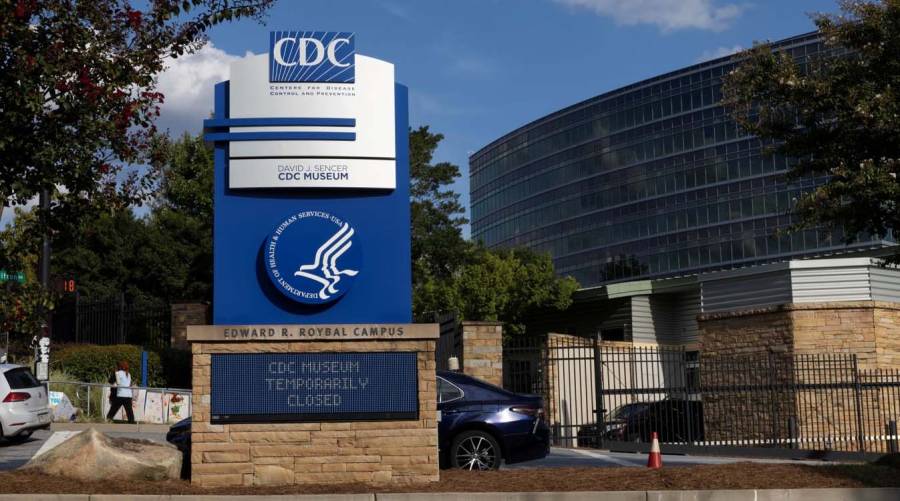
WASHINGTON, D.C.: A storm is shaking the foundations of U.S. vaccine policy. Top doctors and medical organisations have pulled back from advising the Centers for Disease Control and Prevention (CDC) after unprecedented changes to its vaccine advisory structure — leaving experts, clinicians and the public grappling with uncertainty over the future of immunisation recommendations.
The controversy centers on the Advisory Committee on Immunization Practices (ACIP) — the CDC’s long‑standing expert body responsible for recommending which vaccines should be given, to whom, and when. From childhood immunisations to adult schedules, ACIP’s guidance has shaped American and global vaccine practice for decades.
In a dramatic move, the American College of Obstetricians and Gynecologists (ACOG) announced it is withdrawing as a liaison organisation from ACIP. In a statement, ACOG President Dr. Steven J. Fleischman said recent committee changes “undermine the committee’s scientific integrity and evidence‑based approach to vaccine policy” — a core principle that guided ACIP for about 60 years.
Related story: RFK Jr. unveils health agenda amidst CDC and FDA resignations
ACOG has long contributed expert insight on immunisation during pregnancy and across the lifespan, helping ensure vaccines recommended to pregnant women and children are backed by rigorous science. The group says recent decisions, including reconstitution of ACIP and the sidelining of specialist experts, represent a departure from established scientific processes — eroding public confidence in immunisations that have saved countless lives.
The shake‑up began in June 2025, when U.S. Health Secretary Robert F. Kennedy Jr. dismissed all 17 members of ACIP — a move that broke with decades of precedent and was justified by claims of alleged conflicts of interest among previous members.
People also read: CDC’s new COVID-19 guidelines scale back vaccines for children, pregnant women
Since then, a number of senior leaders at the CDC have left or been replaced. Jay Bhattacharya — director of the National Institutes of Health — has been appointed acting CDC director, consolidating leadership at the heart of the nation’s disease prevention agency at a time of intense policy review.
The ACIP panel has been reconstituted with new appointees, some described by critics as lacking traditional vaccine expertise — a shift that has alarmed many U.S. medical organisations and public health experts.
The disruption extends beyond personnel. A CDC advisory session scheduled for February was cancelled, and a meeting was rescheduled for March 18–19, 2026, reflecting continuing instability. The committee’s recommendations influence everything from insurance coverage for vaccines to state school requirements — meaning these changes could affect millions of lives.
Critics argue that altering the committee’s composition and process jeopardises the scientific review that has long underpinned U.S. vaccination policy. In response, several medical groups, including rheumatology and specialist societies, have called for reinstating independent experts, warning that the changes could weaken vaccine confidence and public health protections.
Vaccines remain one of public health’s greatest tools in preventing infectious disease. But in the midst of a leadership overhaul and institutional fractures, long‑held immunisation schedules and evidence‑based decision‑making are facing new pressures. Experts say this shift could have far‑reaching effects not only in the U.S. but globally, as CDC guidance traditionally influences policies and practices worldwide.
As debate intensifies, the world watches whether vaccine policy will be anchored by science — or shaped by political and ideological forces, with significant implications for patient safety, disease prevention, and public trust in medicine.
Stay connected with Medical News Pakistan
CLICK HERE TO JOIN our WhatsApp Community for the latest health updates, life-saving medical news, and expert guidance straight to your phone.

Advertisement
E-PAPER
Trending
Popular
Pakistan’s Dr. Misha Tanveer takes air pollution research to Europe ...
-
Calorie deficit for weight loss: How to ...
06:00 PM, 24 Aug, 2026 -
Vaccine maker warns of wider TBE, ...
05:00 PM, 21 Aug, 2026 -
FDA authorizes first robot to draw ...
06:11 PM, 20 Aug, 2026 -
One blood test for multiple cancers ...
04:52 PM, 11 Aug, 2026
Follow us on Facebook
Follow us on Twitter
Copyright ©2026 Medical News. All Rights Reserved.