
Can you really avoid aging? Doctors reveal the truth
Experts explain what really happens to your body and mind as you grow older and why lifestyle choices—not myths—hold the key to healthy aging.
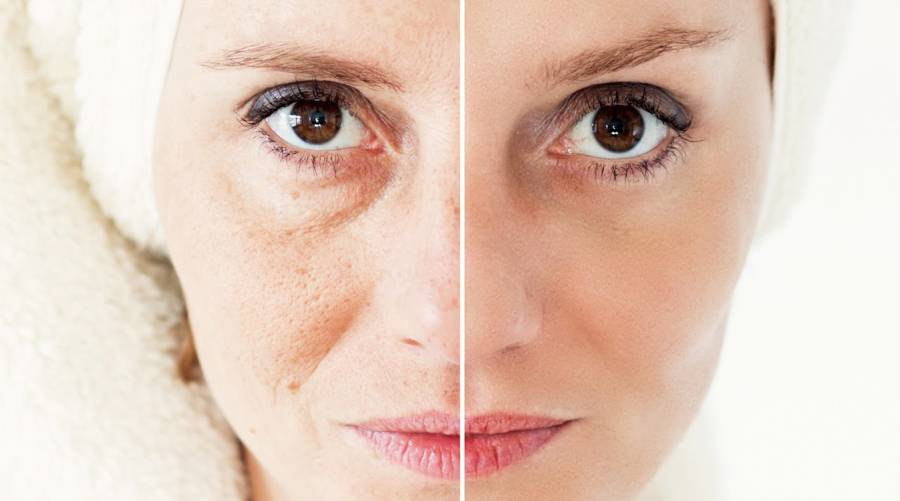
Can you really avoid aging? Doctors reveal the truth
Can you really avoid aging? It is a question everyone asks at some point in life. Aging is universal, natural, and inevitable—but how it affects you is not set in stone. For centuries, myths about aging have shaped how people view their later years, often fueling unnecessary fear. Now, science is separating fact from fiction, revealing that many age‑related changes can be slowed—or even prevented—through healthy choices.
According to the World Health Organization (WHO), the global population over 60 will nearly double from 11% in 2000 to 22% by 2050. With people living longer than ever, doctors stress that it is critical to challenge harmful myths about aging and focus on evidence‑based ways to stay healthier.
Myth 1: Physical decline is inevitable
The body does experience wear and tear with age, but complete deterioration is not unavoidable. Studies show that regular exercise, nutritious diets, social connection, and positive thinking can slow decline. Research also confirms that older adults who expect to age well are more likely to stay healthy and live longer.
Myth 2: Older adults should not exercise
Far from being dangerous, exercise is one of the most effective tools for healthy aging. A 2025 global consensus found that brisk walking for 75 minutes per week extended life expectancy by nearly two years. Strength training and aerobic activity also help preserve muscle, protect the heart, and lower dementia risk. Doctors recommend consulting healthcare providers to find safe, suitable routines.
Myth 3: Sleep needs disappear with age
Older adults still need 7–8 hours of sleep each night, according to the Centers for Disease Control and Prevention (CDC). While sleep patterns may change, disrupted rest often results from health conditions or medications—not age itself. Short naps may help, but the body’s basic sleep requirement remains the same.
Myth 4: Only women get osteoporosis
Although women are at higher risk, osteoporosis affects both sexes. One in three women and one in five men over 50 will experience related fractures. Preventive measures include calcium and vitamin D intake, weight‑bearing exercise, and early screening.
Myth 5: The brain always slows down with age
Dementia is not inevitable. In fact, 90% of adults over 65 remain dementia‑free. The Lancet Commission identified 14 lifestyle factors—including physical activity, blood pressure control, hearing and vision health, and reduced smoking—that help protect the brain.
Myth 6: Quitting smoking is pointless in old age
It is never too late to quit smoking. Doctors emphasize that health benefits start almost immediately, from improved circulation to reduced risk of heart disease and stroke, even for older adults.
The takeaway
So, can you really avoid aging? The answer is no—you cannot stop time. But you can control how you age. Science proves that staying active, eating right, sleeping well, quitting smoking, and maintaining a positive outlook dramatically improve health and longevity. Aging does not have to mean decline—it can mean growth, strength, and even new joy in life.
Stay informed. Stay ahead.
CLICK HERE TO FOLLOW Medical News Pakistan WhatsApp Channel for trusted healthcare updates, expert insights, clinical research, policy news, and medical breakthroughs—delivered directly to you.

Advertisement
E-PAPER
Trending
Popular
Pakistan’s Dr. Misha Tanveer takes air pollution research to Europe ...
-
Calorie deficit for weight loss: How to ...
06:00 PM, 24 Aug, 2026 -
Vaccine maker warns of wider TBE, ...
05:00 PM, 21 Aug, 2026 -
FDA authorizes first robot to draw ...
06:11 PM, 20 Aug, 2026 -
One blood test for multiple cancers ...
04:52 PM, 11 Aug, 2026
Follow us on Facebook
Follow us on Twitter
Copyright ©2026 Medical News. All Rights Reserved.