
Coconut vs. olive oil: Best choice for your heart this Ramadan
As iftar tables overflow with fried and oily foods, choosing the right cooking oil could make a real difference for heart health and long-term well-being.
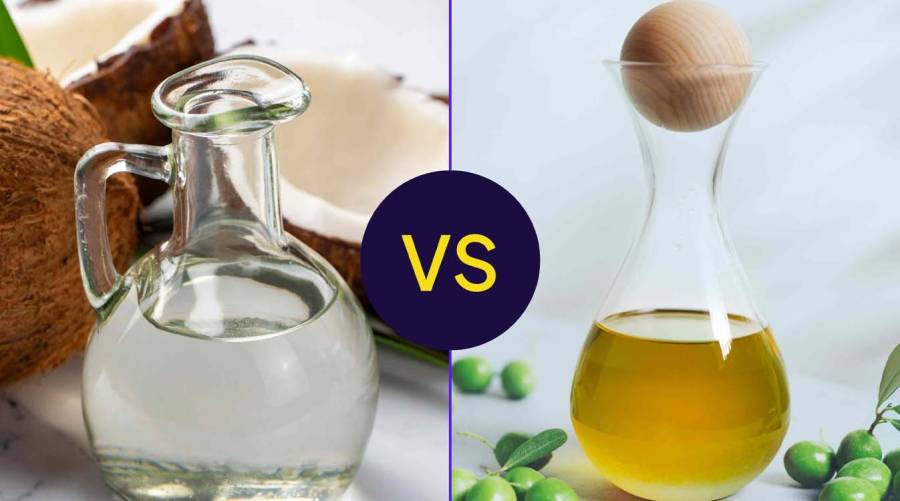
This Ramadan, millions break their fast with rich, fried, and oil-laden dishes—pakoras, samosas, fried chicken, and stuffed vegetables. While the flavors are irresistible, the choice of cooking oil could make or break your heart health. Experts suggest that selecting the right fat is not just a culinary decision—it’s a critical health choice.
Coconut vs. olive oil: What you need to know
Coconut and olive oil are both plant-based fats, but they differ sharply in their impact on heart health. While coconut oil is high in saturated fats, which can raise “bad” LDL cholesterol, olive oil is rich in monounsaturated and polyunsaturated fats, which help lower LDL cholesterol and protect cardiovascular health.
“Eating a diet too high in saturated fat can increase your LDL cholesterol,” nutritionists warn. “Replacing saturated fats with unsaturated fats, like olive oil, supports heart health and reduces long-term risks of heart disease.”

Beyond heart health
Olive oil also contains polyphenols, antioxidants with anti-inflammatory and anti-cancer properties. Studies show that diets rich in olive oil can lower blood pressure, prevent arterial plaque, and reduce the risk of breast, prostate, and gastrointestinal cancers. Coconut oil, on the other hand, provides medium-chain triglycerides (MCTs) for quick energy and may raise “good” HDL cholesterol, but its high saturated fat content limits heart benefits.
Ramadan implications: Fry smart, eat smart
During Ramadan, frequent consumption of fried foods cooked in coconut oil could spike LDL cholesterol and burden the heart. Replacing or partially swapping olive oil in cooking or drizzling over salads, grilled vegetables, and roasted dishes can help balance traditional flavors with modern nutritional science.
“Small choices during Ramadan meals—like the type of oil used—can have lasting impacts on cardiovascular health,” experts emphasize.
By understanding the science behind your oil, you can enjoy iftar favorites without compromising long-term heart and metabolic health.
Takeaway: Choose olive oil for heart protection, especially during the oil-rich iftar meals, and use coconut oil sparingly for flavor or energy boosts.
Stay connected with Medical News Pakistan
CLICK HERE TO JOIN our WhatsApp Community for the latest health updates, life-saving medical news, and expert guidance straight to your phone.

Advertisement
E-PAPER
Trending
Popular
Pakistan’s Dr. Misha Tanveer takes air pollution research to Europe ...
-
Calorie deficit for weight loss: How to ...
06:00 PM, 24 Aug, 2026 -
Vaccine maker warns of wider TBE, ...
05:00 PM, 21 Aug, 2026 -
FDA authorizes first robot to draw ...
06:11 PM, 20 Aug, 2026 -
One blood test for multiple cancers ...
04:52 PM, 11 Aug, 2026
Follow us on Facebook
Follow us on Twitter
Copyright ©2026 Medical News. All Rights Reserved.