
This might be the brain hack no one saw coming
A surprising hobby linked to younger-looking brains could reveal a powerful new path to healthier aging.
What if protecting your brain did not require pills, apps, or expensive treatments — just a pair of sharp eyes and years of curiosity?
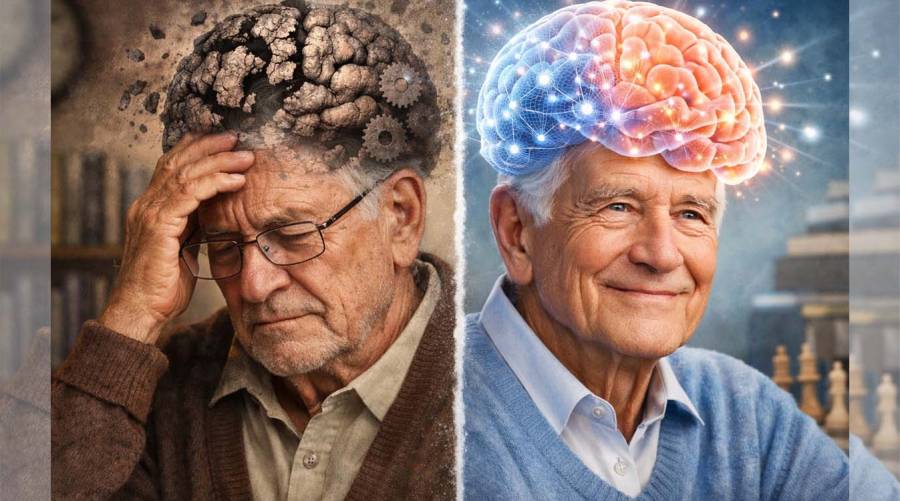
New neuroscience research suggests that people who become experts in bird identification may carry something extraordinary in their heads: brain structures that look and behave more like those of younger adults. The finding adds fresh fuel to a growing idea in medicine and psychology — that learning deeply and consistently may physically reshape the brain in ways that help it resist age-related decline.
The study, published in The Journal of Neuroscience, compared expert birdwatchers with people who had little or no birding experience. Researchers found that bird experts showed structural changes in brain regions linked to attention and perception. These areas appeared denser and more compact — a feature typically associated with younger brains.
Why birdwatching?
Bird identification is not a casual glance activity. It demands sharp visual discrimination, sustained attention, and strong memory. Experts must notice tiny differences in color, shape, and movement while linking them to stored knowledge. Over time, this intense mental training appears to leave a physical mark on the brain.
You may like to read: Is artificial intelligence quietly rewiring your brain?
During brain scans, participants were shown bird images and asked to match species correctly. In expert birders, the brain regions responsible for visual processing and attention were not only more active, they were structurally different. Scientists describe this as expertise-related neuroplasticity — the brain changing its wiring and tissue organization in response to years of skill development.
A younger brain profile
The researchers observed lower diffusivity in certain brain areas among experts, meaning the tissue was more compact and organized. This pattern is usually seen in younger adults, raising a provocative possibility: some hobbies might help slow or soften age-related brain changes.
Dr. Emer MacSweeney, consultant neuroradiologist and CEO of Re:Cognition Health, explained that the regions strengthened in bird experts are the same ones used for focus, memory, and pattern recognition — functions that often weaken with age. Strengthening them may help the brain work more efficiently and cope better with decline.
Can expertise protect against dementia?
The study does not claim that birdwatching prevents Alzheimer’s disease or other neurodegenerative disorders. But it strongly supports the concept of cognitive reserve — the idea that mentally demanding activities build extra neural capacity that helps delay the impact of aging or disease.
According to the researchers, these structural brain differences were found across all ages of expert birders, from young adults to seniors. This suggests that the benefits of learning do not vanish with time; they may accumulate and persist for decades.
Is birding special, or any skill will do?
Scientists believe birdwatching is just one example. Similar brain changes have been seen in musicians, chess players, athletes, dancers, and jugglers. What matters is not the hobby itself, but the mental demands it places on attention, perception, and memory.
Related story: Scientists reveal the secrets that sharpen your brain
Experts say the best cognitive workout is the one you love enough to keep doing for years. Deep engagement, not casual participation, appears to be the key.
What this means for everyday life
The findings send a hopeful message: protecting brain health may be less about avoiding decline and more about building strength early and continuously. Lifelong learning — especially in areas that challenge vision, memory, and focus — could help the brain stay organized, efficient, and resilient.
While this research was conducted on bird experts, its implications stretch far beyond binoculars and field guides. It suggests that hobbies demanding sustained attention and knowledge-building may be an overlooked public health tool in the fight against cognitive decline.
The takeaway is simple but powerful:
Your brain remembers what you train it to do — and it may keep those benefits longer than you think.
Stay connected with Medical News Pakistan
CLICK HERE TO JOIN our WhatsApp Community for the latest health updates, life-saving medical news, and expert guidance straight to your phone.

Advertisement
E-PAPER
Trending
Popular
Pakistan’s Dr. Misha Tanveer takes air pollution research to Europe ...
-
Calorie deficit for weight loss: How to ...
06:00 PM, 24 Aug, 2026 -
Vaccine maker warns of wider TBE, ...
05:00 PM, 21 Aug, 2026 -
FDA authorizes first robot to draw ...
06:11 PM, 20 Aug, 2026 -
One blood test for multiple cancers ...
04:52 PM, 11 Aug, 2026
Follow us on Facebook
Follow us on Twitter
Copyright ©2026 Medical News. All Rights Reserved.