
Why do some daily AI users have higher rates of depression?
Harvard research finds adults using AI daily for personal purposes are 30% more likely to experience moderate depression, while work and school use show no such link.
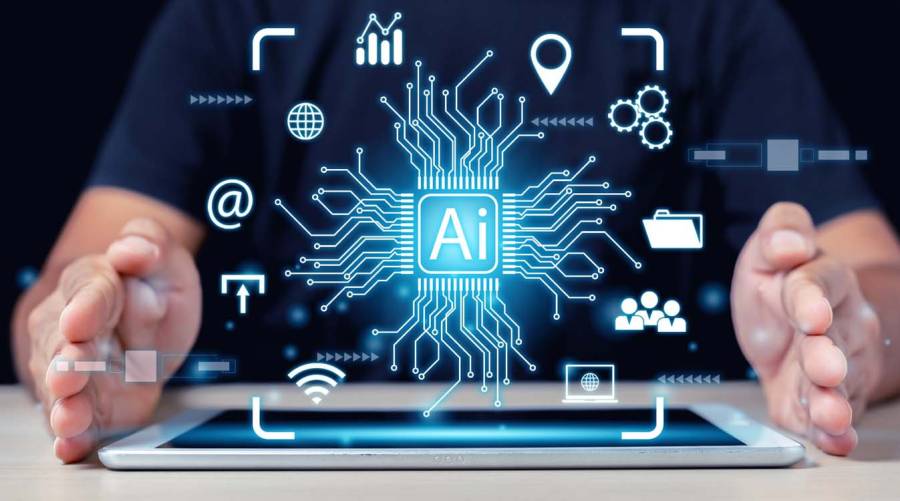
Frequent personal use of AI associated with increased depression risk
Artificial intelligence (AI) has rapidly become a daily companion for millions, helping with everything from cooking tips to work tasks. But a new study published in JAMA Network Open raises questions about how frequent personal AI use may impact mental health.
Analyzing survey responses from nearly 21,000 Americans, researchers found that adults who interact with AI every day for personal reasons are 30% more likely to experience moderate depression than those who never use it. The connection was most pronounced in adults aged 25 to 64, while younger and older adults showed no significant link.
Personal vs. professional AI use
Interestingly, the study highlights that this association was only significant for personal use of AI. Using AI for work or school tasks did not show a connection with depressive symptoms. Among daily AI users, nearly 87% reported personal use, 11% used it for school, and around 50% for work.
Dr. Roy H. Perlis, lead author and professor of psychiatry at Harvard Medical School, emphasized:
"We don’t know if it is cause, effect, or neither. People with greater depressive symptoms may be more likely to use AI frequently. I also worry about AI being used as a substitute for social interaction."
Why might personal AI use affect mental health?
Experts suggest several possibilities:
- Isolation and reduced social interaction: Using AI for companionship may replace meaningful human connections, leading to loneliness and emotional withdrawal.
- Over-reliance on AI for problem-solving: When AI handles most cognitive tasks, users may feel less purposeful or competent, potentially contributing to depressive feelings.
- Age-specific patterns: Adults in the 25–64 age range might use AI differently from younger or older users, affecting how it impacts mood.
John Puls, a psychotherapist not involved in the study, explained:
"AI can do a lot, but if it replaces real human engagement, it can increase isolation. Feeling that AI is doing your thinking for you may also trigger a sense of purposelessness."
AI can still be beneficial when used properly
While the study raises cautionary flags, AI experts stress its potential for positive impact on mental health. Clinically designed AI tools can provide mental health support, improve access to therapy, and reduce work-related stress, especially when used alongside human guidance.
Dr. Owen Muir, a psychiatrist, notes:
"AI has tremendous potential to support mental health, but overuse for personal purposes, especially in isolation, may have negative consequences."
Next steps for research
Researchers stress that causal links cannot yet be confirmed. Future studies, including longitudinal research and randomized trials, are needed to understand whether AI use leads to depressive symptoms or if people with depression simply use AI more.
As AI continues to integrate into daily life, understanding how to use it safely and effectively for mental health will be crucial.
Stay informed, stay healthy!
CLICK HERE TO JOIN Medical News Pakistan on WhatsApp for latest stories, expert tips, health updates, and the medical research straight to your phone.

Advertisement
E-PAPER
Trending
Popular
Pakistan’s Dr. Misha Tanveer takes air pollution research to Europe ...
-
Calorie deficit for weight loss: How to ...
06:00 PM, 24 Aug, 2026 -
Vaccine maker warns of wider TBE, ...
05:00 PM, 21 Aug, 2026 -
FDA authorizes first robot to draw ...
06:11 PM, 20 Aug, 2026 -
One blood test for multiple cancers ...
04:52 PM, 11 Aug, 2026
Follow us on Facebook
Follow us on Twitter
Copyright ©2026 Medical News. All Rights Reserved.