
Causes of nighttime toddler coughing and how to treat it
Nighttime coughing in toddlers is commonly linked to infections, allergies, asthma, reflux, or postnasal drip; recognizing symptoms guides safe, effective care.
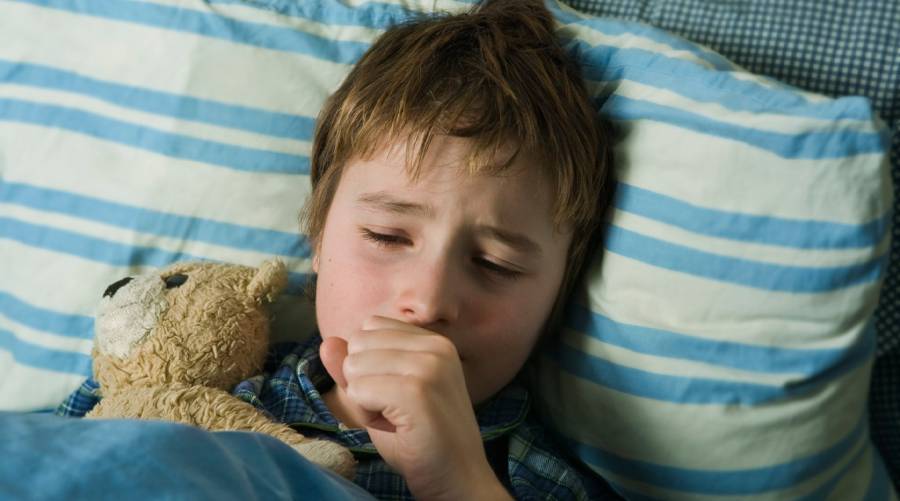
Causes of nighttime toddler coughing and how to treat it
Nighttime toddler coughing is common and often related to infections, allergies, asthma, reflux, or postnasal drip. Using the right home care, monitoring symptoms, and knowing when to seek medical help can improve comfort and reduce complications.
What nighttime toddler coughing can sound like
Caregivers may hear a barking or whooping sound. The sound of the cough, plus other symptoms, helps identify the cause and guides treatment.
Common causes caregivers should consider
Postnasal drip cough:
Excess mucus from infections or allergies can trickle down the throat and trigger coughing at night. Wheezing is usually absent. Elevating the child’s head during sleep can help. If coughing worsens in certain seasons or after animal exposure, an allergy assessment with a pediatrician or allergist may help.
Barking cough (croup):
Croup affects an estimated 3% of children aged 6 months to 3 years and typically worsens at night. Symptoms include difficulty breathing, noisy breathing, hoarseness, and fever. It stems from swelling of the windpipe and vocal cords and is more common in male children. Humidifiers, while useful for some colds, are generally not helpful for croup. Doctors may prescribe dexamethasone, and moderate to severe cases in the hospital may receive nebulized epinephrine.
Whooping cough (pertussis):
Children may make a whooping sound when gasping after coughing. Vaccination lowers the risk and usually makes illness milder, but unvaccinated or non-immune children can develop severe coughing fits and vomiting. Pertussis is bacterial and typically treated with antibiotics. Offer clear fluids and small, frequent meals.
Persistent or recurring cough (possible asthma):
Nighttime cough that persists or recurs can suggest childhood asthma, which affects millions of children in the US. Symptoms may include shortness of breath, chest tightness, shallow rapid breathing, worsening with smoke, pollen, or other triggers, and frequent chest colds. Early medical evaluation supports timely treatment and prevention of attacks.
Coughing with vomiting:
Younger children may vomit if they cannot clear mucus effectively. Contact a doctor if vomiting is repeated, fluids will not stay down, or vomiting lasts more than a day. If the child has asthma with coughing, wheezing, and vomiting that does not improve with usual treatment, seek medical advice.
Pneumonia:
Cough and vomiting may be accompanied by rapid breathing, flared nostrils, skin pulling in around ribs and breastbone, chest pain, wheezing, bluish nails or lips, fever, and fatigue. These are warning signs that require emergency care. Bacterial pneumonia is treated with antibiotics.
Coughing with fever:
Many viral illnesses, including flu and COVID-19, can cause cough and fever. Encourage fluids for hydration and consider acetaminophen or ibuprofen for comfort (ask a doctor for dosing if under age 2; follow label directions if age 2 or older). Persistent fever or worsening condition may indicate complications such as a middle ear infection.
Evidence-based home care caregivers can try
- Offer clear fluids and rest: Keep the child well hydrated and allow extra rest.
Give a warm bath or shower before bed: Supervise closely to help loosen mucus and ease breathing. - Slightly elevate the sleeping position: Raising the head can reduce postnasal drip and reflux-related cough.
- Consider honey for children 12 months and older: Honey may soothe nighttime coughs. Do not give honey to infants under 12 months due to the risk of botulism.
When caregivers should worry and call a doctor
- If the child seems very sick, behaves unusually, or breathing looks difficult
- If there is blood in the cough, drooling with trouble swallowing, or blue lips or nails
- If coughing lasts more than 2–3 weeks
- If vomiting is persistent, fluids will not stay down, or fever is prolonged
Bottom line for caregivers
Most nighttime coughs improve within weeks, but a persistent or severe cough needs medical evaluation. Listening to the cough, noting accompanying symptoms, and using safe home care helps children rest better while guiding timely treatment when needed.
Medical disclaimer: This news update is informational and does not replace personalized advice from a qualified pediatrician.
Stay updated with Medical News Pakistan
CLICK HERE TO JOIN Medical News WhatsApp community to get the latest updates on global health guidelines, medical research, and expert insights directly on your phone.

Advertisement
E-PAPER

Trending
Popular
Pakistan’s Dr. Misha Tanveer takes air pollution research to Europe ...
-
Calorie deficit for weight loss: How to ...
06:00 PM, 24 Aug, 2026 -
Vaccine maker warns of wider TBE, ...
05:00 PM, 21 Aug, 2026 -
FDA authorizes first robot to draw ...
06:11 PM, 20 Aug, 2026 -
One blood test for multiple cancers ...
04:52 PM, 11 Aug, 2026
Follow us on Facebook
Follow us on Twitter
Copyright ©2026 Medical News. All Rights Reserved.